At the source
of every cup.

Sourcing / Origin stories

Journeys through Panama and Yunnan. The land, the people, and the work behind each cup.

Tall trees and dense vegetation on the estatePanamaHow a Wonderful Cup of Coffee Is BornIn April, though the rainy season in Panama had not yet truly arrived, the mountain mist was already quietly gathering around the Volcan Barú.Read the storyClose the story

How a Wonderful Cup of Coffee Is Born

In April, though the rainy season in Panama had not yet truly arrived, the mountain mist was already quietly gathering around the Volcan Barú.

On the slope of an estate in Chiriquí Province, lush coffee trees stretched out ahead, set against a backdrop of rolling green ridges. The farm owner pointed to the soil in front of us, introducing the microclimate of this block in an understated tone—elevation, temperature variation, shaded areas—each factor quietly dictating the rhythm at which the coffee cherries ripened.

He spoke casually, as if describing the most ordinary thing in the world.

Yet it is precisely these daily details that build the complex flavors in the final cup.
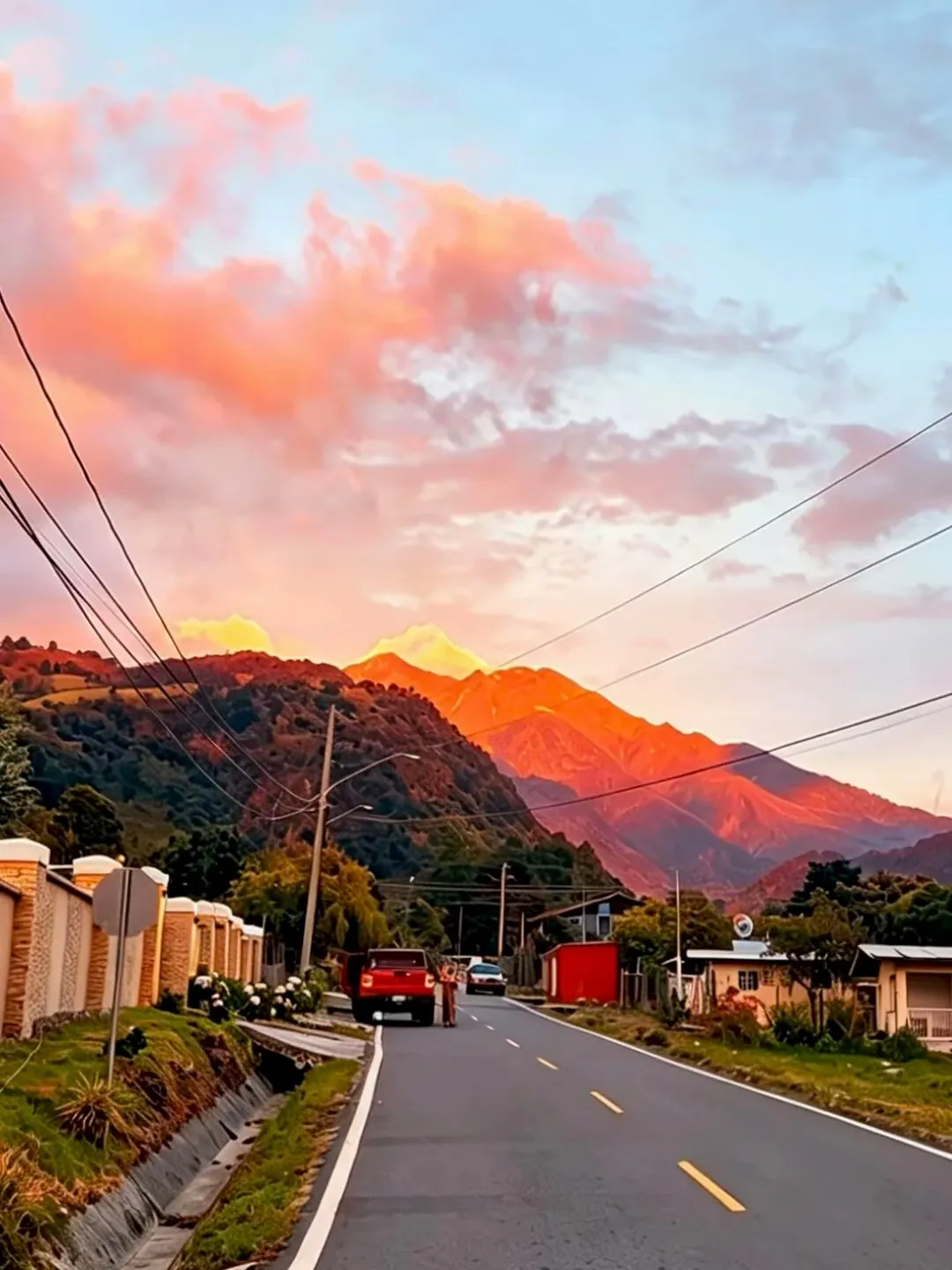
A mountain road beneath a colorful evening sky in Panama

Departure: Why Panama?

Panama may seem small on the map, but it harbors the world's most captivating specialty coffee.

Many people came to know this place because of Geisha. But what drew us here was not the repeatedly told legends, but a much simpler question: How, exactly, is a wonderful cup of coffee born?

Looking out of an airplane window during the journey

The answer cannot be found in any interview. We had to go out and seek it with our own feet.

Twenty days, more than thirty farms and processing mills, and over two thousand samples cupped.

These numbers sound impressive, but what truly stayed with us were not the statistics, but more concrete images: the mist along winding mountain roads, sudden downpours, beehives tucked under the eaves of processing mills, and cupping coffees with extraordinary, vibrant flavor profiles.
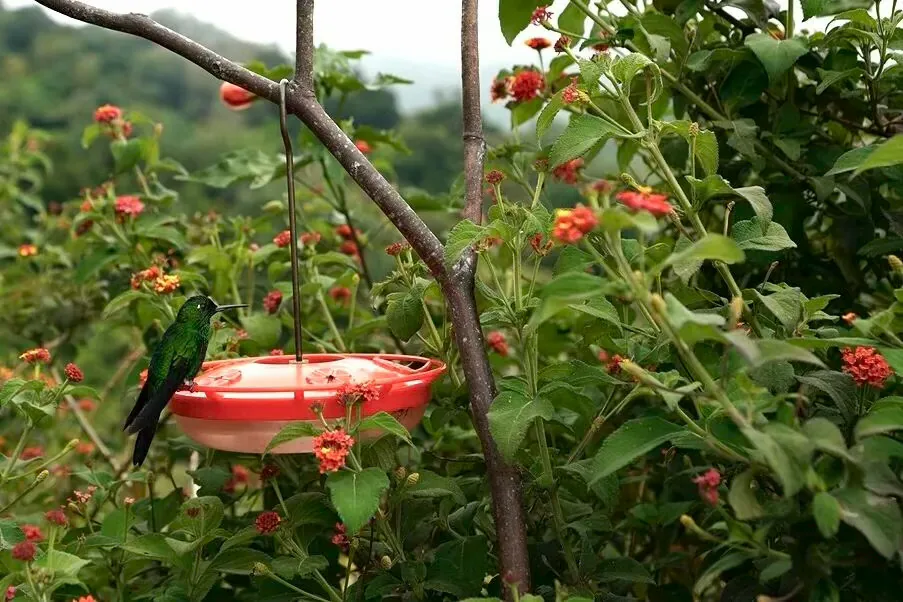
A hummingbird visits a red feeder among green branches

Being on-site made us realize that what sustains all this imagination is not a single variety or a specific processing method. It is a shared understanding of land, time, and rules.

Here, few people repeatedly talk about what they are "creating." More often, they simply repeat mundane tasks: cultivating, picking, processing, cupping, and continuously adjusting.

A legend never happens overnight. It is built through relentless accumulation over countless ordinary days.

Into the Mountains: Seeking a Deeper Understanding
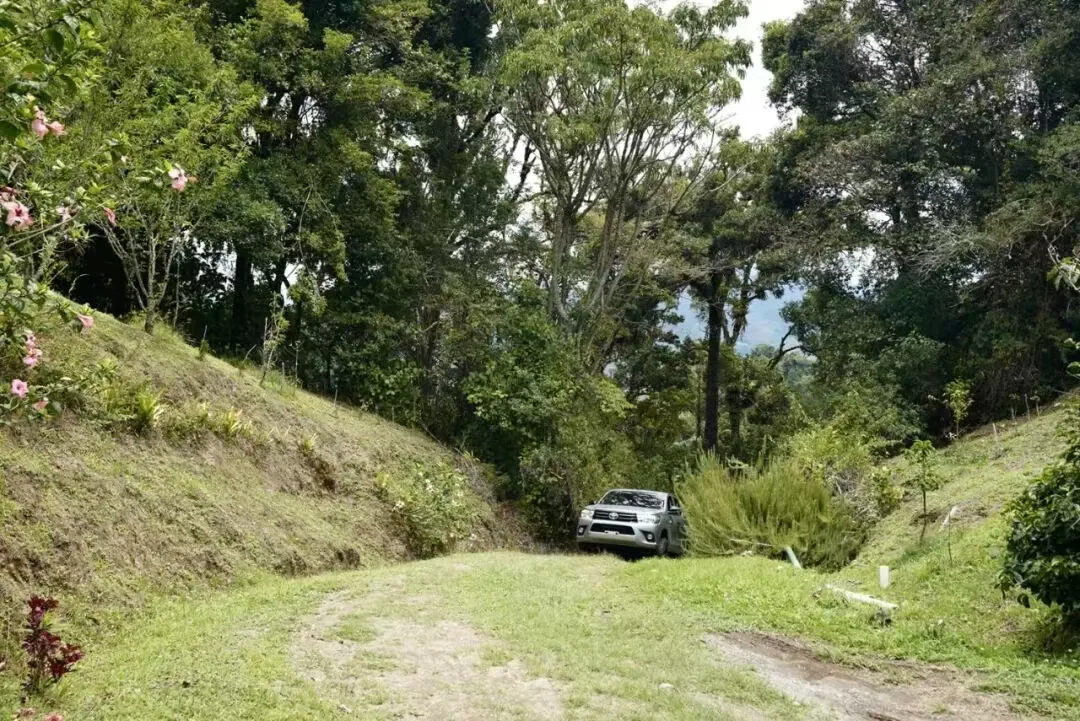
A vehicle on a hillside track among coffee trees

Walking into the mountains, the first thing shattered was our romanticized filter of these "legendary estates."

There were no groundbreaking secret recipes, nor any mysterious, exclusive techniques. Instead, it was mostly mundane details: when to fertilize, how high to keep the tree canopy, picking maturity standards, and drying room temperatures.

None of these tasks are complex on their own, but each must be done day after day, year after year, for decades.
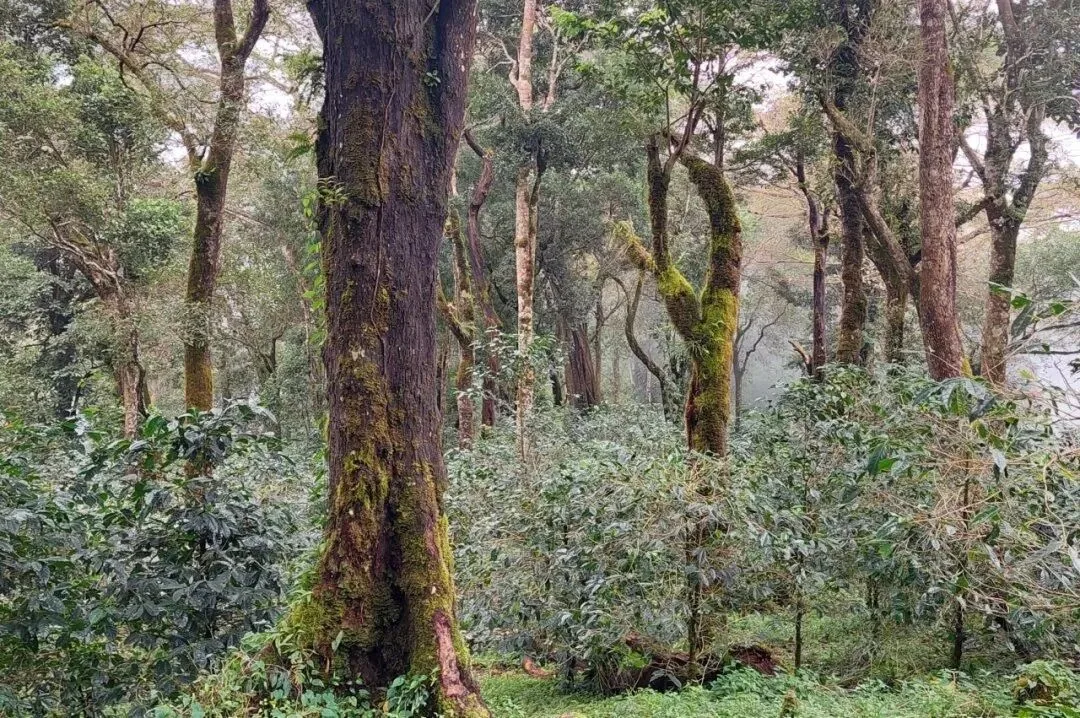
Tall trees and dense vegetation on the estate

We tend to break down terroir into parameters—elevation, temperature shift, rainfall, soil. But standing there, you realize those explanations are still incomplete.

Terroir also includes how the people here live, how they approach their work, how they face the weather, and how they accept the things beyond their control.

All of these elements eventually become part of what is in the cup.
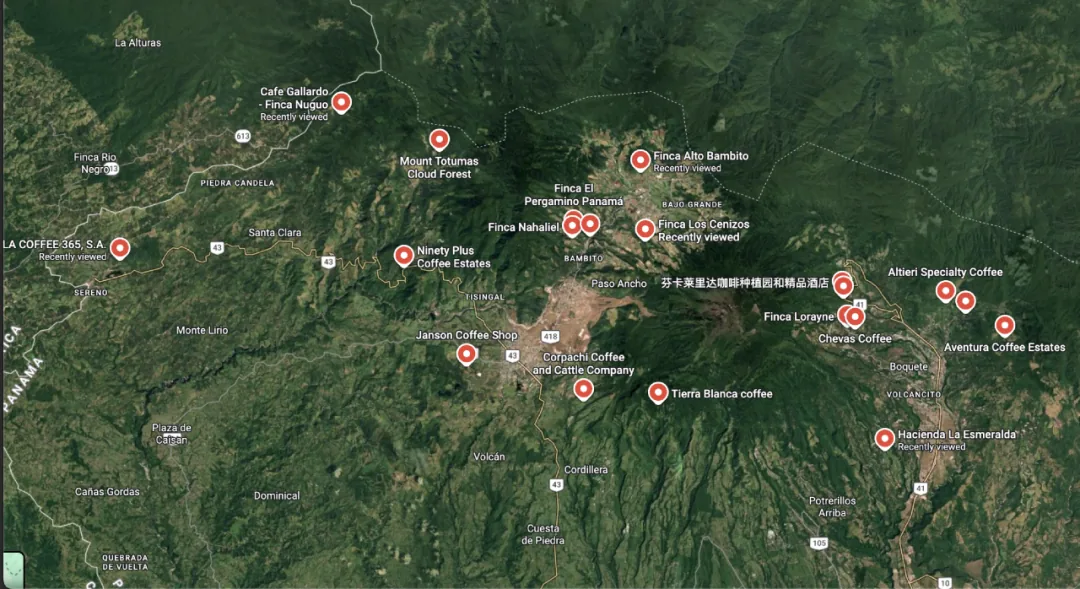
A map marking coffee estates visited in Panama

Challenges: A Year of Severe Crop Loss

This year, the condition of Panamanian coffee was worse than usual.

At almost every estate we visited, we heard the same phrase: extreme weather.

Changing weather patterns blurred the boundaries between Panama's wet and dry seasons, causing harvest yields across most estates to drop anywhere from 50% to 90% (for example, Finca Sophia suffered a 90% reduction, leaving only around 200 kg of yield). Producers called this a "difficult year."
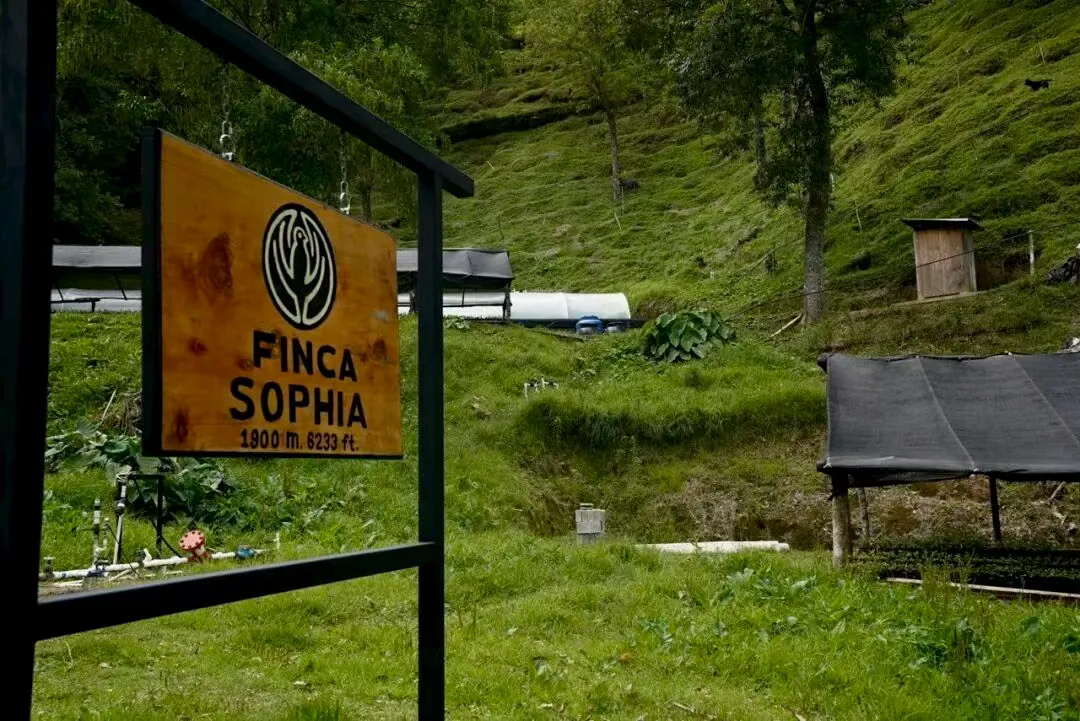
The Finca Sophia sign at the estate entrance

With yields falling sharply, picking cycles and fruit maturity were thrown off balance. Yet the core challenge was not just reduced production, but maintaining quality standards under such limited conditions.

One observation stood out: producers this year became much more restrained.

This was not a passive compromise of "being unable to do complex processing," but a conscious choice—reducing reliance on experimental processing methods and refocusing attention on maturity control, soil health, and long-term tree canopy management.

In an era of increasing climate instability, consistently producing good coffee is, in itself, a rare capability.
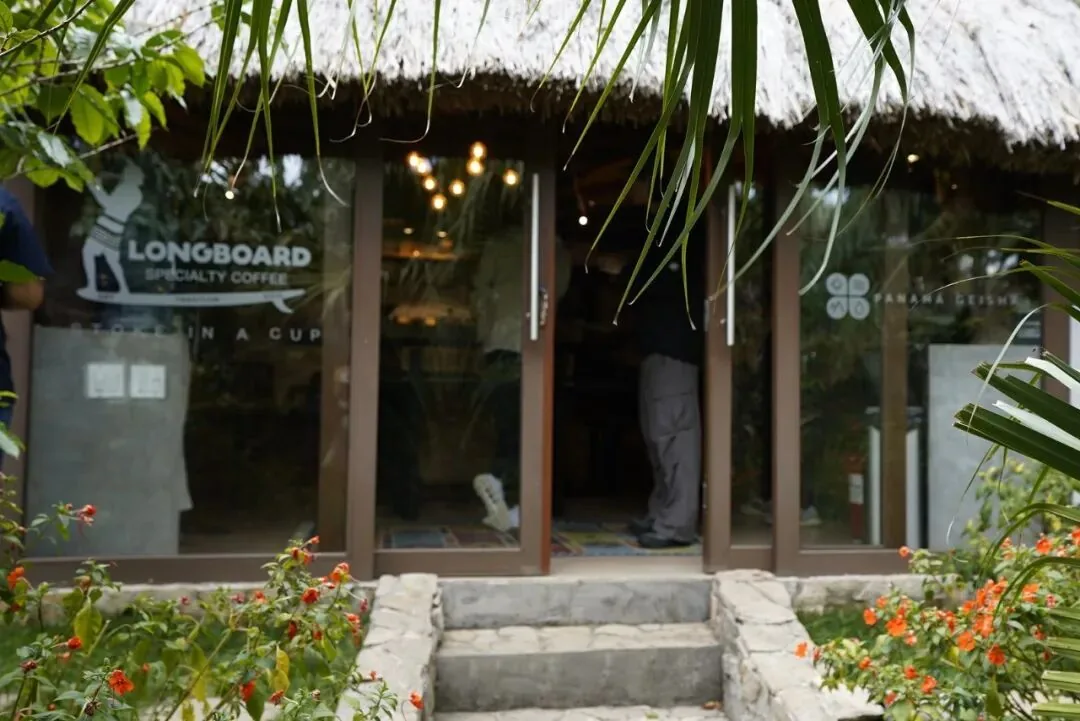
The entrance to Longboard Specialty Coffee

Cupping: Future Trends Observed

If visiting the origin allows one to see how a cup of coffee grows, then cupping allows one to hear how it expresses itself.

Cupping over two thousand samples—the quantity itself was not the point. What truly mattered was seeing clear trends emerge amidst the noise:

Geisha remains important, but it is no longer the sole answer.

More and more varieties are beginning to establish their own distinct expressions. More and more estates are reducing their emphasis on processing tricks, returning to the soil itself, and reopening conversations around long-term sustainability.
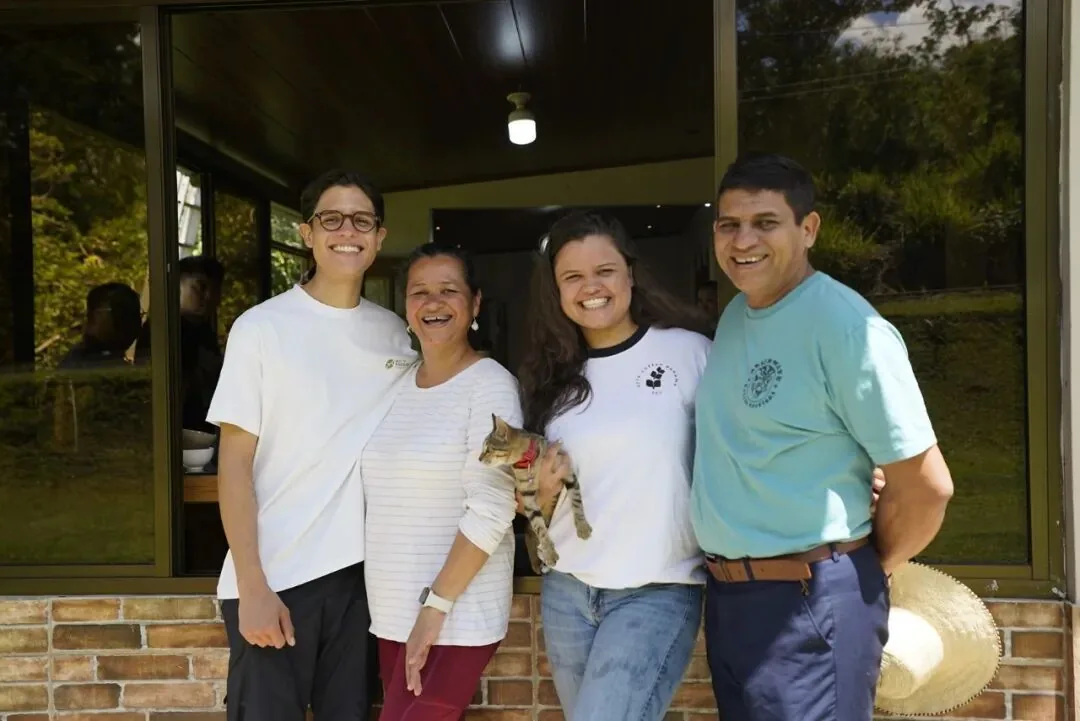
A group photograph during the Panama origin visit

Over the past few years, specialty coffee seemed to relentlessly chase newer, more complex, and more intense flavors. But this time, we encountered a shift in the opposite direction: toward restraint, completeness, and authenticity.

The most exciting moment during cupping was not finding the best-tasting sample, but understanding why a particular cup turned out the way it did.

Some samples made a strong first impression but faded quickly. Others were subtle at first, yet remained memorable long after.

They were much like the land, and much like the people.

Conclusion: What We Learned
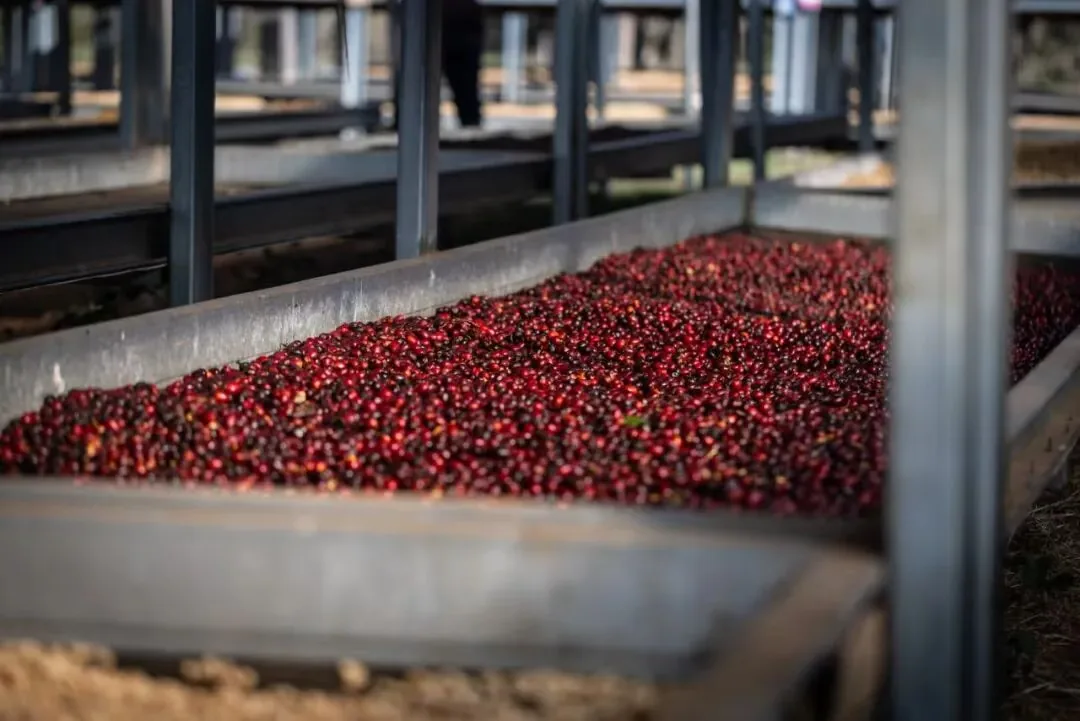
Red coffee cherries drying on raised beds

On this trip through Panama, we did not find a single standard answer to what makes "good coffee."

However, one thing became increasingly clear: we shouldn't just deliver a cup of coffee—we should also share with you, who love coffee, why it grew this way, why it was processed this way, and why it presents such flavors.
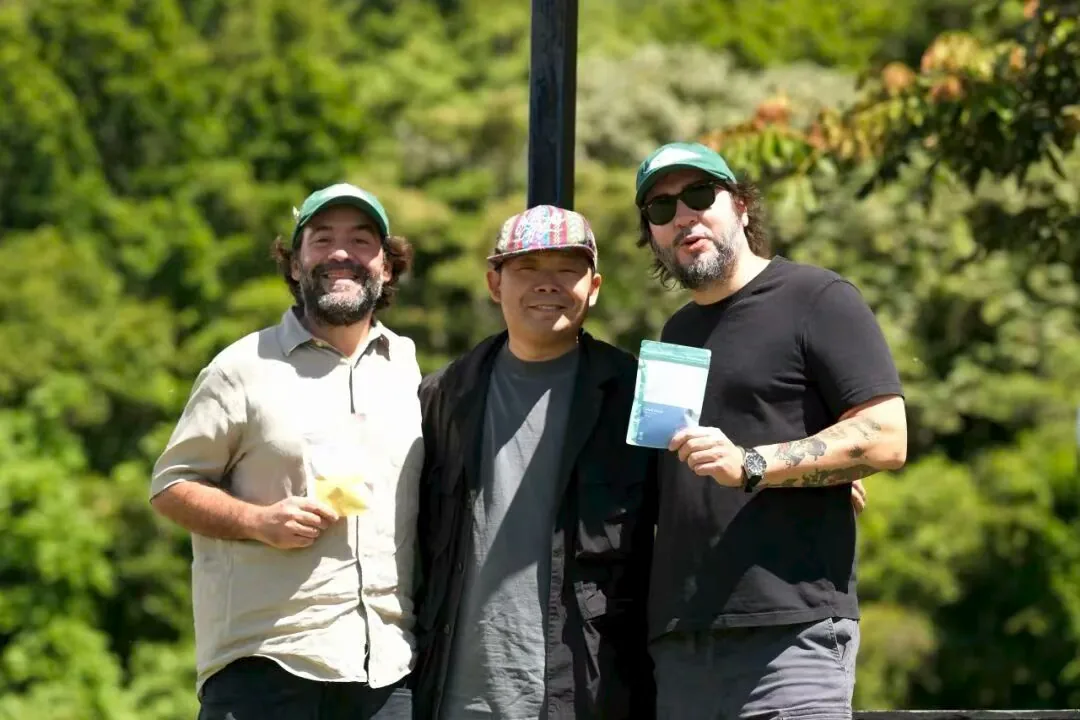
A group photograph outdoors during the Panama journey

What we strive for is not merely the delivery of flavors, but the delivery of connections—between people, and between people and the land.

A wonderful cup of coffee is not born at the moment of brewing. It begins much earlier in the soil, through time, and across countless repeated, disciplined tasks.

And we were simply fortunate enough to drink it at the right moment.
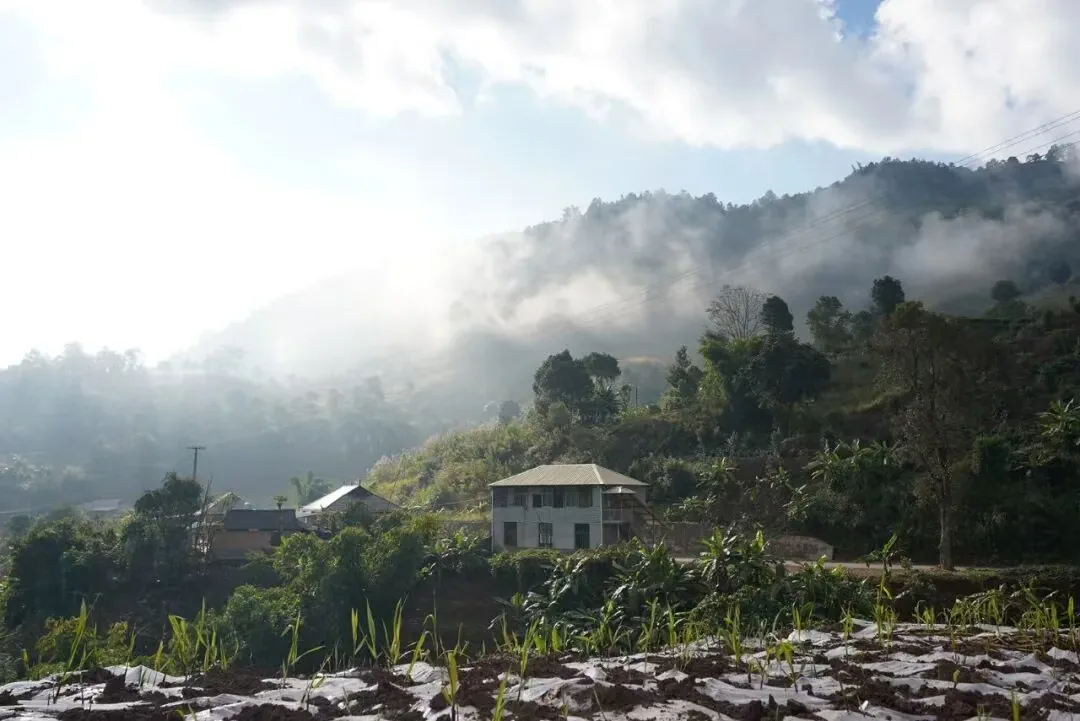
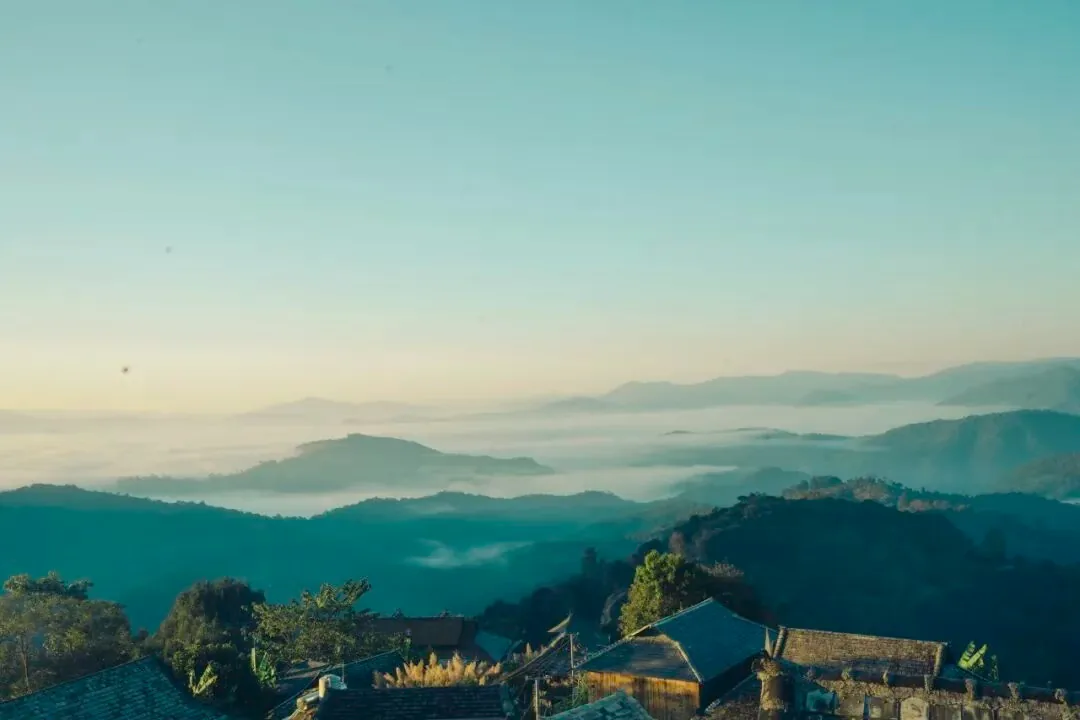
Spectacular seas of clouds are a frequent sight in Yunnan.China / YunnanSearching for a Great Cup of Coffee in YunnanIn late December, at the invitation of my close friend Ah Qi, I took part in the "Bring Yunnan Coffee Home" charity initiative, co-organized by the YSCC (Yunnan Specialty Coffee Community) and BottleDream. Over a hundred friends from all over China drove across thousands of kilometers in dozens of vehicles to reach the coffee origins of Menglian, Lancang, and Xishuangbanna in Yunnan. We learned local languages and dances, picked ripe coffee cherries alongside the farmers, and brewed coffee to share with them.Read the storyClose the story

Searching for a Great Cup of Coffee in Yunnan

In late December, at the invitation of my close friend Ah Qi, I took part in the "Bring Yunnan Coffee Home" charity initiative, co-organized by the YSCC (Yunnan Specialty Coffee Community) and BottleDream. Over a hundred friends from all over China drove across thousands of kilometers in dozens of vehicles to reach the coffee origins of Menglian, Lancang, and Xishuangbanna in Yunnan. We learned local languages and dances, picked ripe coffee cherries alongside the farmers, and brewed coffee to share with them.

Spectacular seas of clouds are a frequent sight in Yunnan.

Despite having worked in the coffee industry for a decade, this was my very first origin trip—yet it felt strangely like returning to my hometown. As those brief and joyful days came to an end, I found myself still longing for more. Introduced by Zhicheng, the founder of Buddy Workshop, I traveled to Lafu Lusheng Coffee Estate, a small border village nestled right on the boundary between Menglian and Myanmar. There, I met the estate owner, Wang Ze, and stayed with him and his family. By day, we processed different micro-lots of coffee together; by night, dragging our exhausted bodies and modest drinking tolerance, we played a local card game called "Fu Bu Fu" ("Yield or Not"). In my spare time, I also helped other processing facilities in Menglian roast samples and offered advice on optimizing their processing methods.

With Wang Ze, owner of the Lafu Lusheng Coffee Estate in Menglian.

A quick teaser: You will soon be able to experience the micro-lots we processed at Lafu Lusheng Coffee Estate right inside our BREW ISLAND store!

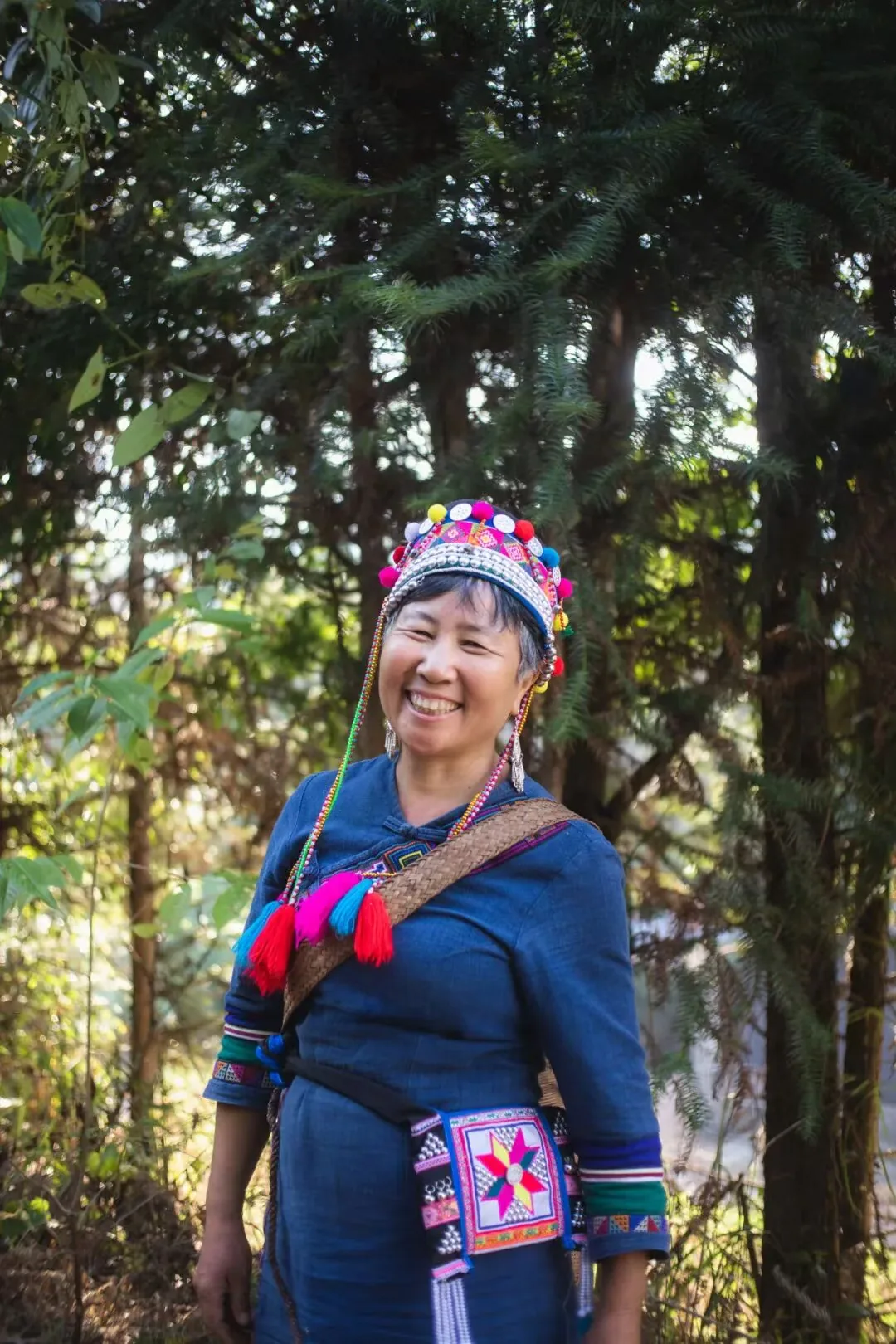
Fateful connections continued to unfold. Wang Ze introduced us to Lancang Hongfeng Guoge Coffee Estate. Originally a state-owned grain and oil company, its coffee division used to be just a small business segment. Following corporate restructuring, the estate passed into the hands of its current owners: Sister Zou, Sister Yang, and Brother Zhang. All three are passionate about coffee—especially Sister Zou, who always carries a warm, beaming smile and constantly jots down thoughts and details in her notebook.

Sister Zou, owner of Lancang Hongfeng Guoge Coffee Estate.

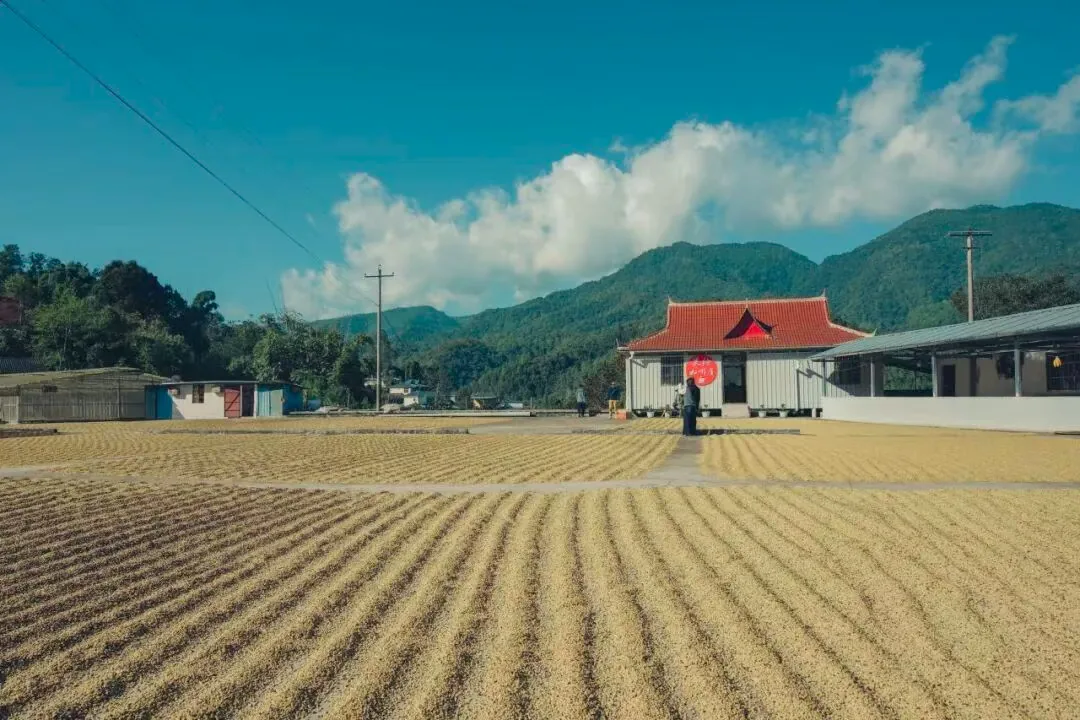
Because of the relatively lower temperatures here, the coffee cherries ripen later, resulting in fantastic sweetness. It was here that I cupped the best washed Catimor (K72 method) of my life—it delivered a bright, delightful berry acidity accompanied by the rich sweetness of brown sugar.

The beautiful drying yards at Lancang Guoge Coffee Estate.

If This Is What You Truly Yearn For

I often ponder a question: Why are we so captivated by outdoor activities in nature? Later, I realized that whenever we immerse ourselves in the natural world, we enter a state of ease and relaxation. Our senses become far more acute than usual, making everything we eat and drink taste infinitely better. Even human connections become simpler, making it much easier to build mutual trust and bond with one another.

Sea of clouds at dawn atop Mount Jingmai.

Standing alone atop Mount Jingmai at night, gazing up at the starlight filling the sky, an inner voice seemed to whisper: Since you are so certain in your heart, the only thing left to do is put your ideas into action.

Looking up to reveal a breathtaking starry sky.

Building a Small Island in the City

Illustration created by my surf buddy Feizai—thank you!

The detailed meaning behind the name BREW ISLAND was explained in our previous post. BREW represents what we do every single day, advocating a slower pace of life. ISLAND is our core brand philosophy—we believe everyone is constantly searching for an island of their own, whether tangible or intangible.

Sunlight adds a unique touch of beauty to the island's storefront sign.

After several months of searching, I ultimately selected Liyang Road—a quiet oasis amidst the urban hustle—as the location for our very first coffee shop, intentionally away from the trendy Plane Tree (Wutong) district. The surrounding architecture and streets carry a traditional Shanghai charm. Under the gentle sunshine of this season, you can look out at the lush green plants, the quiet flowing river, and the Shikumen residential complex across the street, immersing yourself in a tranquil warmth far removed from the city's hectic pace. We hope this cozy 15-square-meter shop serves as a tiny island within the city—a place where coffee lovers can hit pause, unwind, and enjoy the effortless harmony between coffee, nature, and the neighborhood.

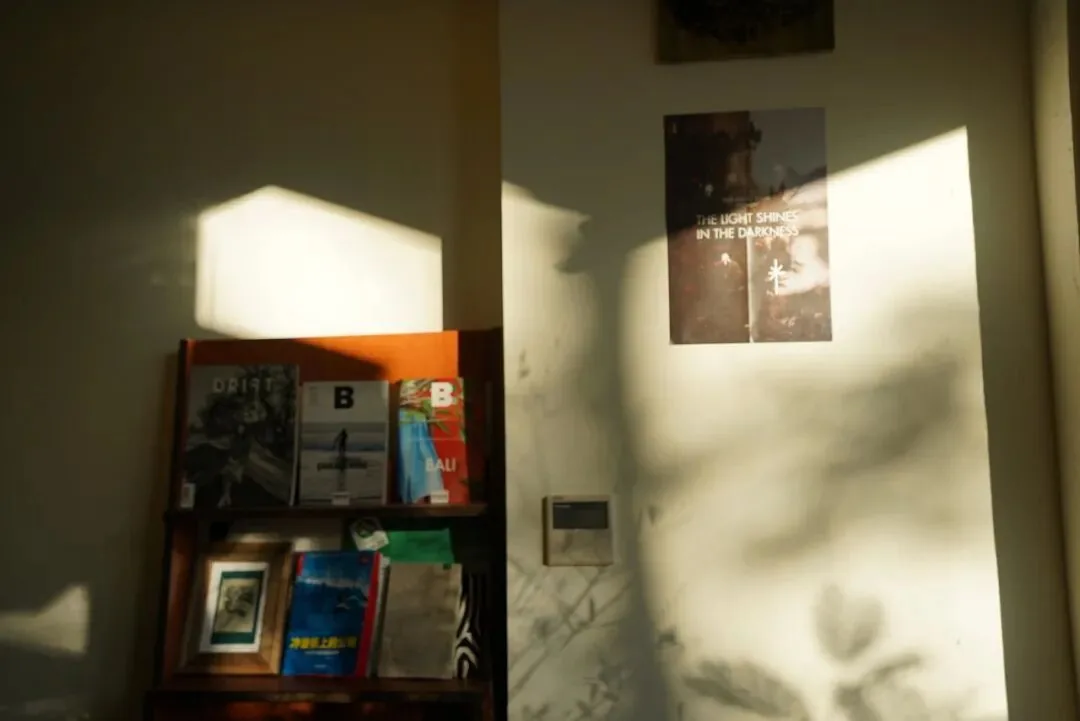
Swaying lights and shadows adorn every corner of the shop.

A Small Wish

Coffee Brings Us Together. The true meaning of coffee reaches far beyond the cup itself.

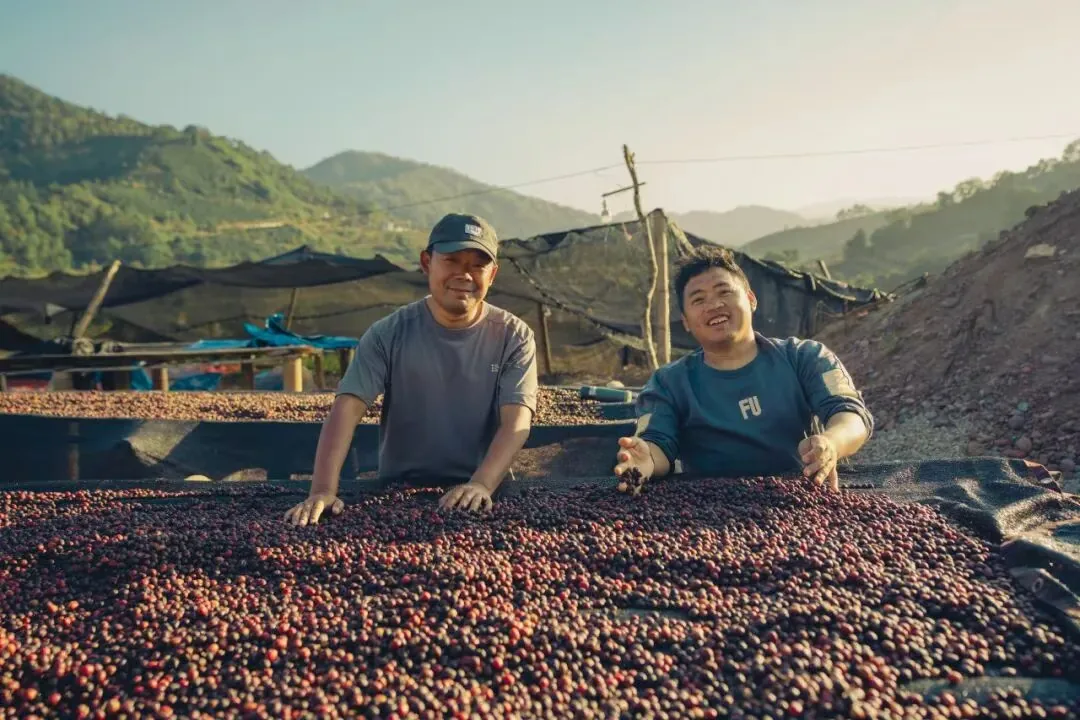
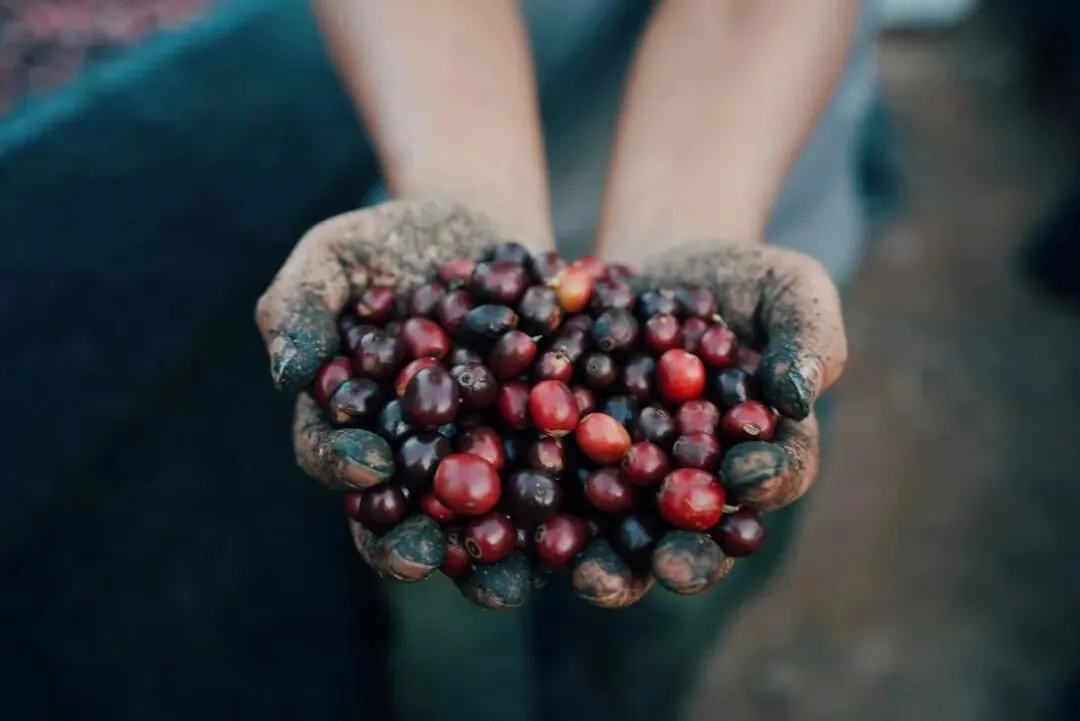
High-ripeness coffee cherries hand-picked by our team.

We look forward to continually exploring and discovering the wonders of the coffee world, and even more so, bringing the stories behind each cup to everyone who loves coffee. At the same time, BREW ISLAND will actively participate in community development within coffee-producing origins. We hope our voice and actions, bit by bit, will eventually illuminate the lives of more coffee farmers.

Come ashore.

739 Liyang Road, Hongkou, Shanghai

Open in maps

Plan your visit